
Program details
Water Capture & Storage
Capturing overlooked water to strengthen emergency readiness and agricultural resilience.

I want to...
Overview
Water Capture & Storage develops systems that preserve non-potable water for firefighting, land restoration, and agricultural support. The program explores practical ways to capture stormwater and natural runoff so it can serve the community when it is needed most.
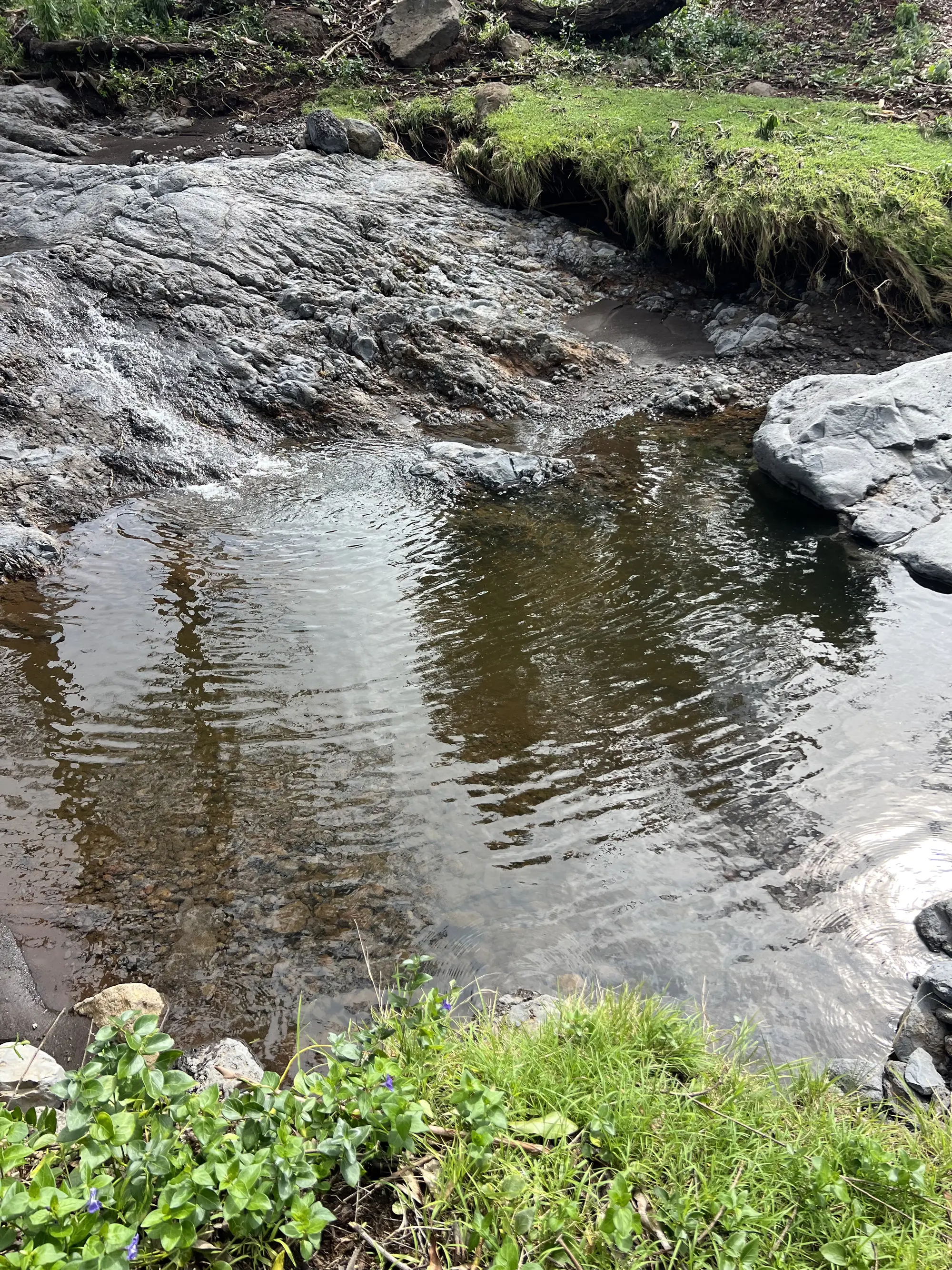
Water that disappears after a storm is water a community never gets to use.
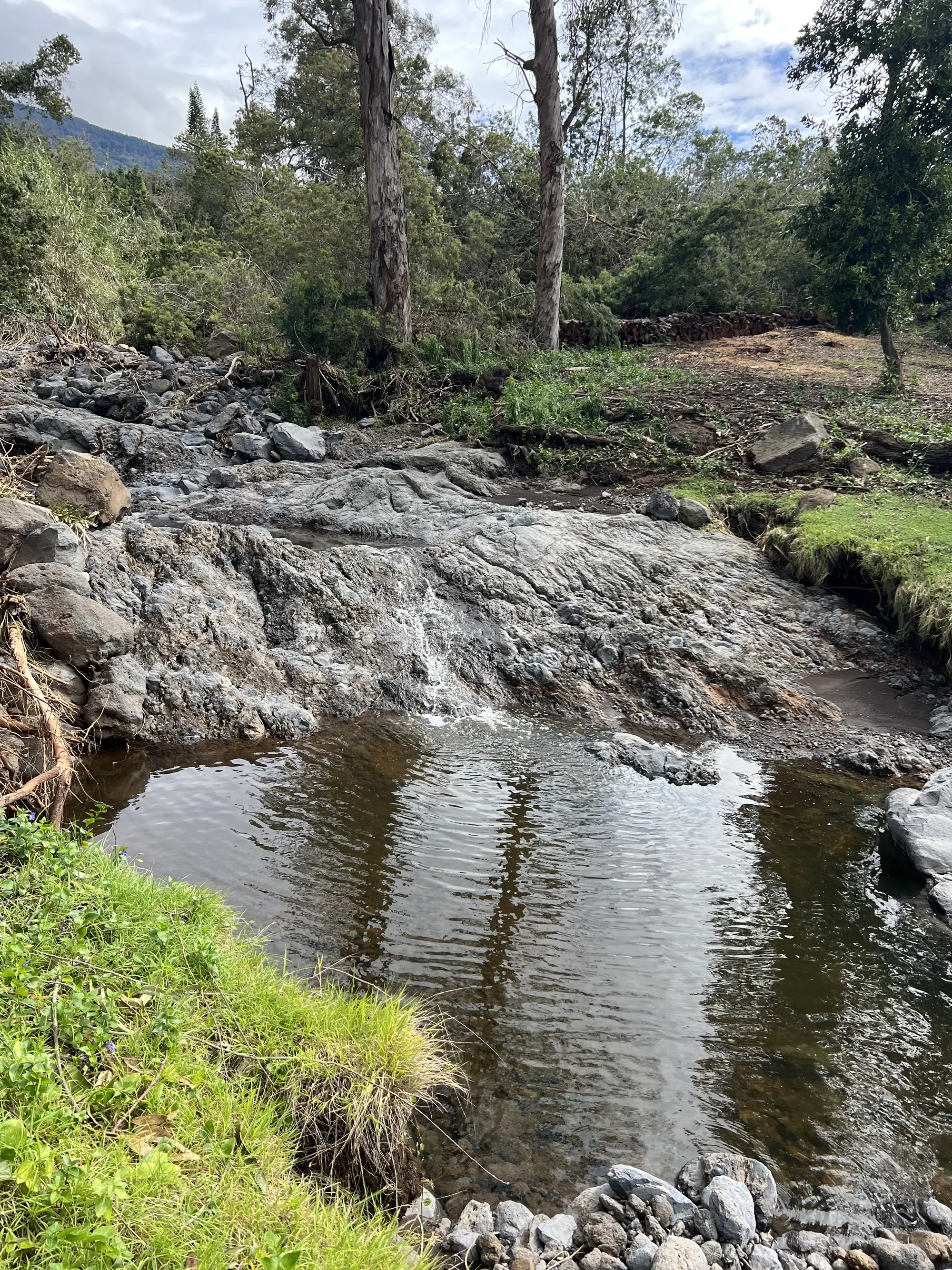
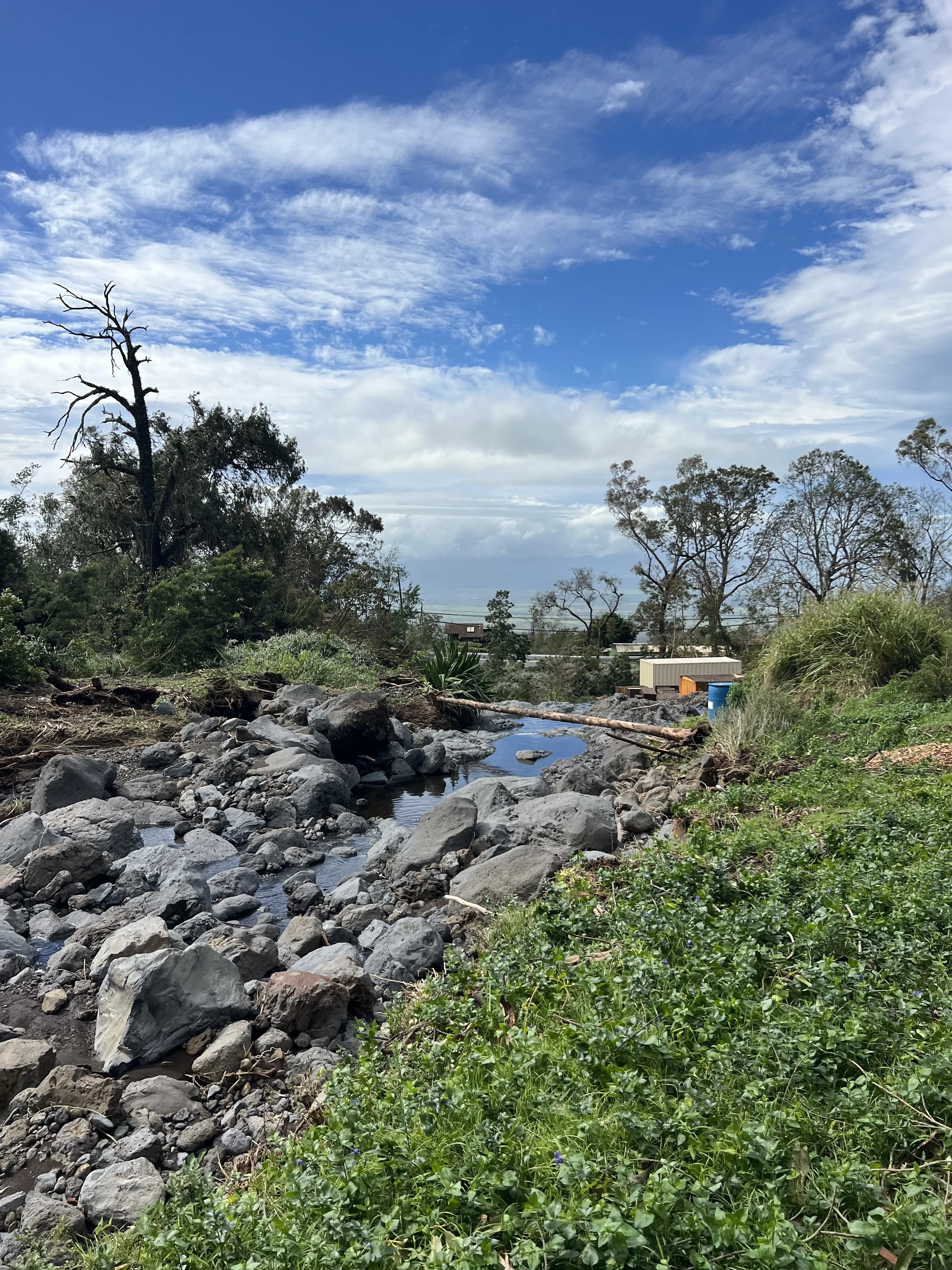
Kula experiences dramatic swings between drought and sudden overflow. This program focuses on intercepting water that would otherwise vanish — capturing rainfall, flash-flood runoff, and natural basin accumulation, then redirecting it into storage that can support both emergency response and long-term land stewardship.
Captured water may supply restoration sites, watershed projects, and agricultural needs during dry periods. In emergency conditions, stored reserves can serve as critical resources for firefighting access. By treating stormwater as an asset rather than a temporary event, Water Capture & Storage builds a buffer that strengthens the region’s resilience to climate and disaster pressures.
Program drivers
Key Activities
Volunteer With Us
Volunteers are an integral part of Mālama Kula’s history and operations. Join us in making Kula safer and more resilient.
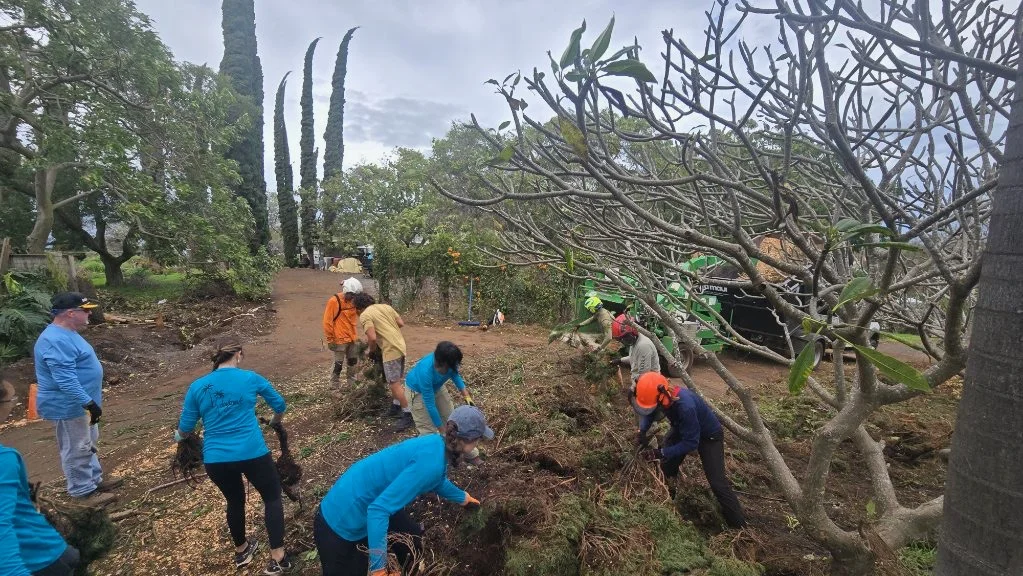
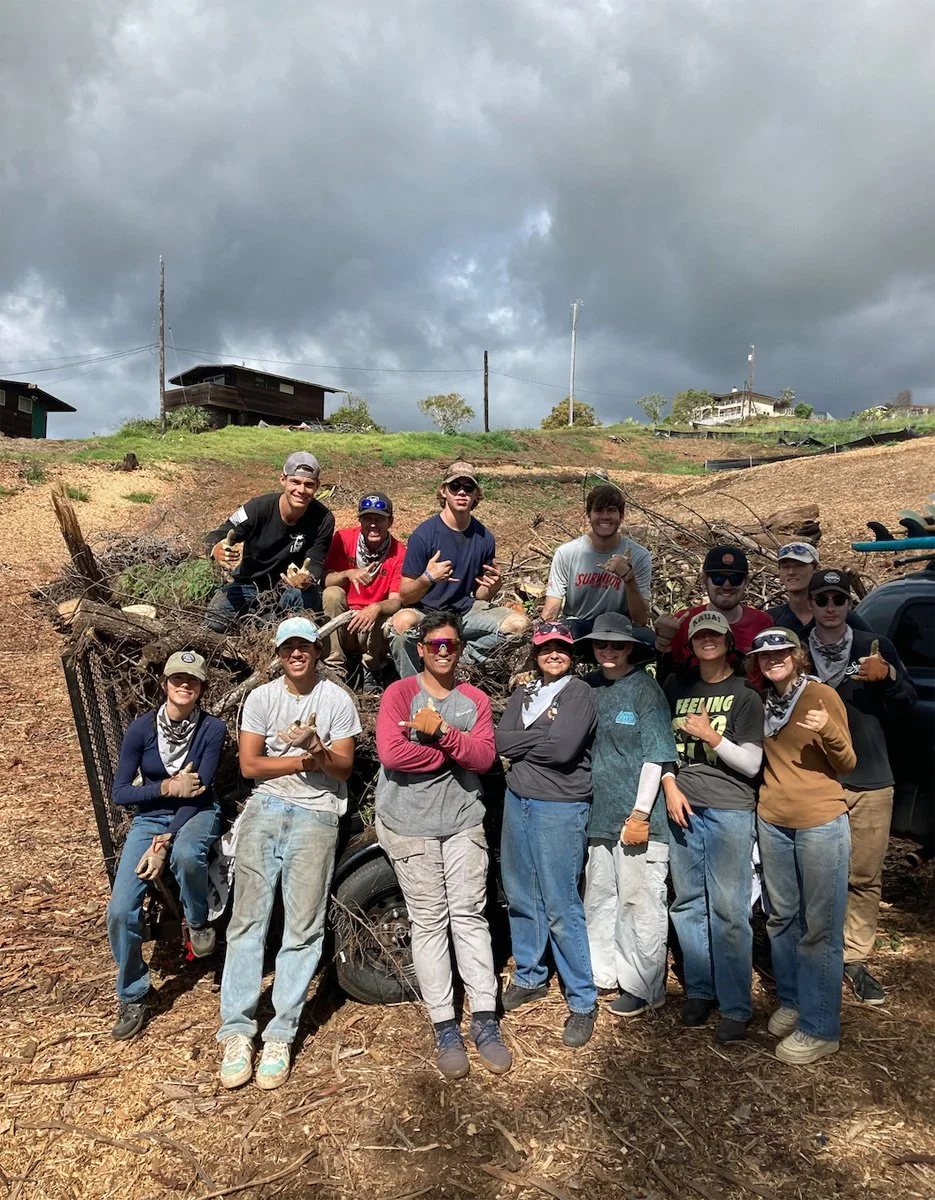
Volunteer field support enables ongoing participation outside scheduled events by integrating volunteers into day-to-day operations. Individuals assist crews with active projects, extending the organization’s capacity to address hazards and restoration needs.
This flexible participation model allows community members to contribute skills, time, and labor in ways that match operational priorities. Volunteer support remains a foundational element of the organization’s field presence and impact.
This activity contributes to:
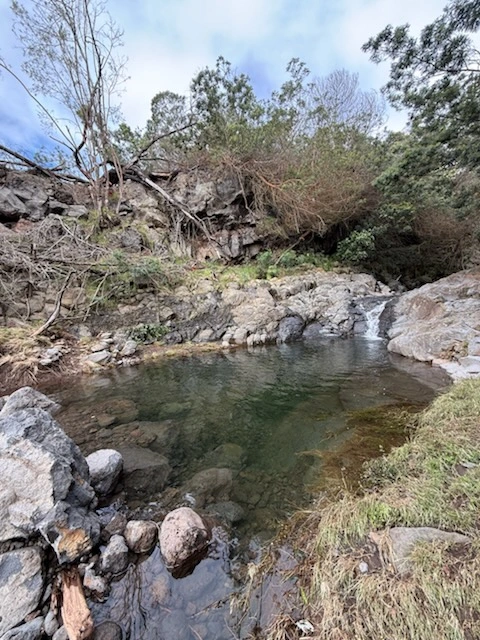
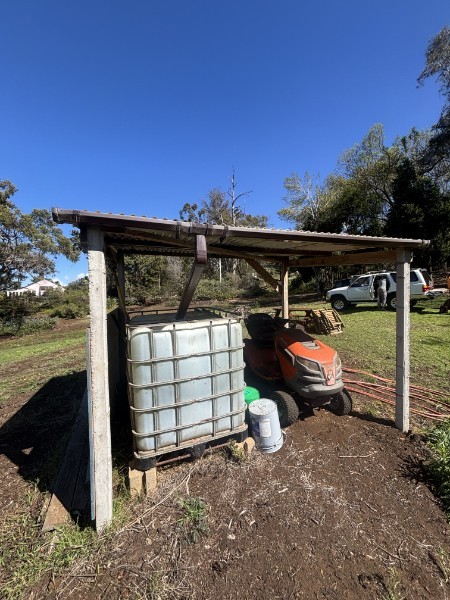
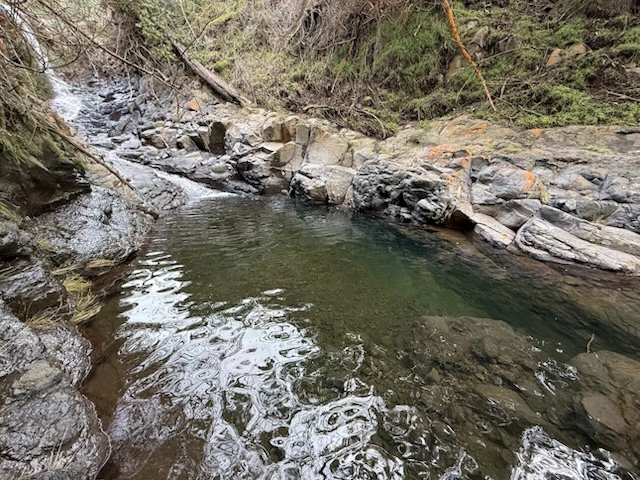
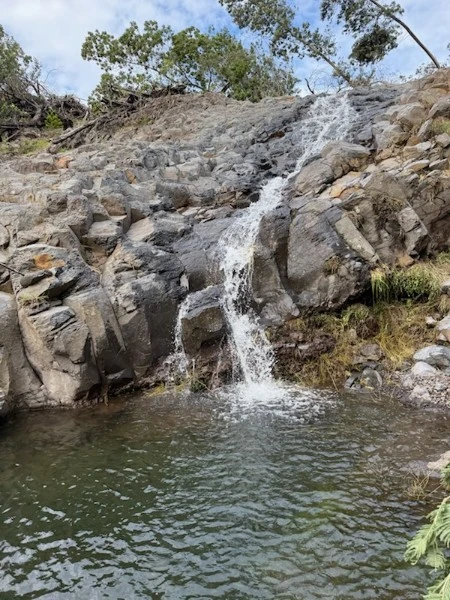
The water capture pilot develops practical systems for intercepting rainwater and storm runoff that would otherwise disappear after heavy weather events. The activity explores catchment, gravity-fed irrigation, and temporary storage in natural basins to preserve non-potable water for land restoration, agricultural support, and emergency readiness. Captured water may be used to sustain newly planted vegetation, supply local farms during dry periods, or provide accessible reserves for firefighting response.
By treating stormwater as a recoverable resource rather than a temporary event, the pilot strengthens long-term community resilience and watershed stewardship.
This activity contributes to:
Gallery








You’re welcome here
Whether you have time, resources, or skills to share, there’s a place for you in this work. Help us keep Kula safe, healthy, and resilient.