
Program details
Hazard & Erosion Mitigation
Reducing environmental hazards while advocating for safer infrastructure and land stability.

I want to...
Overview
Hazard & Erosion Mitigation protects the community from landscape instability and preventable infrastructure risks. The program focuses on identifying hazards, stabilizing affected areas, and advocating for action when public safety is at stake.
Small hazards grow into disasters when they are ignored.
Environmental risk does not disappear after a fire or storm passes. Unstable slopes, debris, compromised terrain, and neglected infrastructure can continue to threaten neighborhoods long after an incident fades from the headlines. This program addresses those risks through cleanup, stabilization, and targeted mitigation that restores safe conditions.
Equally important is advocacy. When hazardous trees, unstable structures, or infrastructure risks fall outside the organization’s authority to fix directly, the program pushes for preventative action through the appropriate agencies. By elevating risks before they escalate, this program helps prevent small dangers from becoming large-scale emergencies.
Program drivers
Key Activities
Storm Damage Assistance
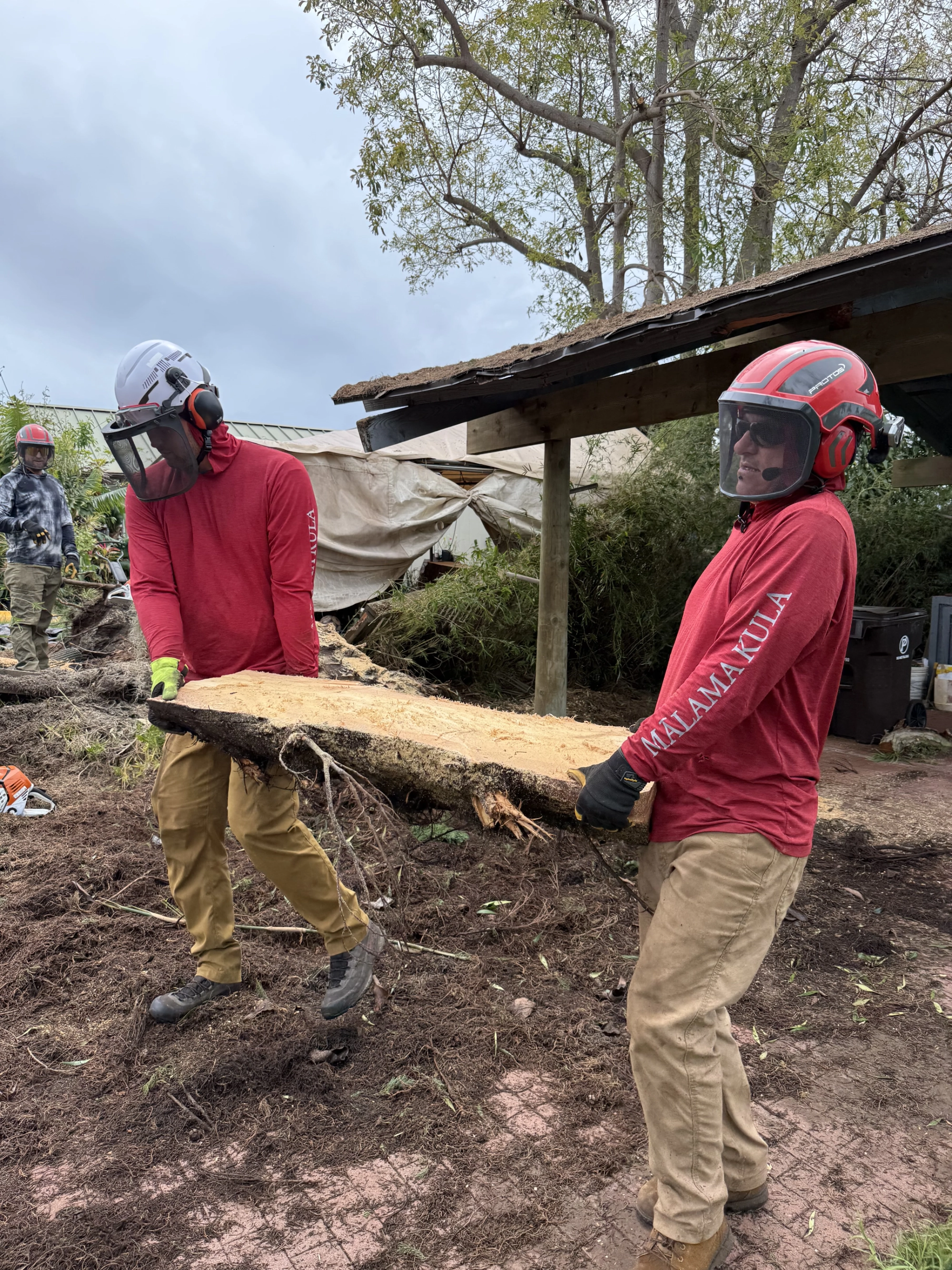
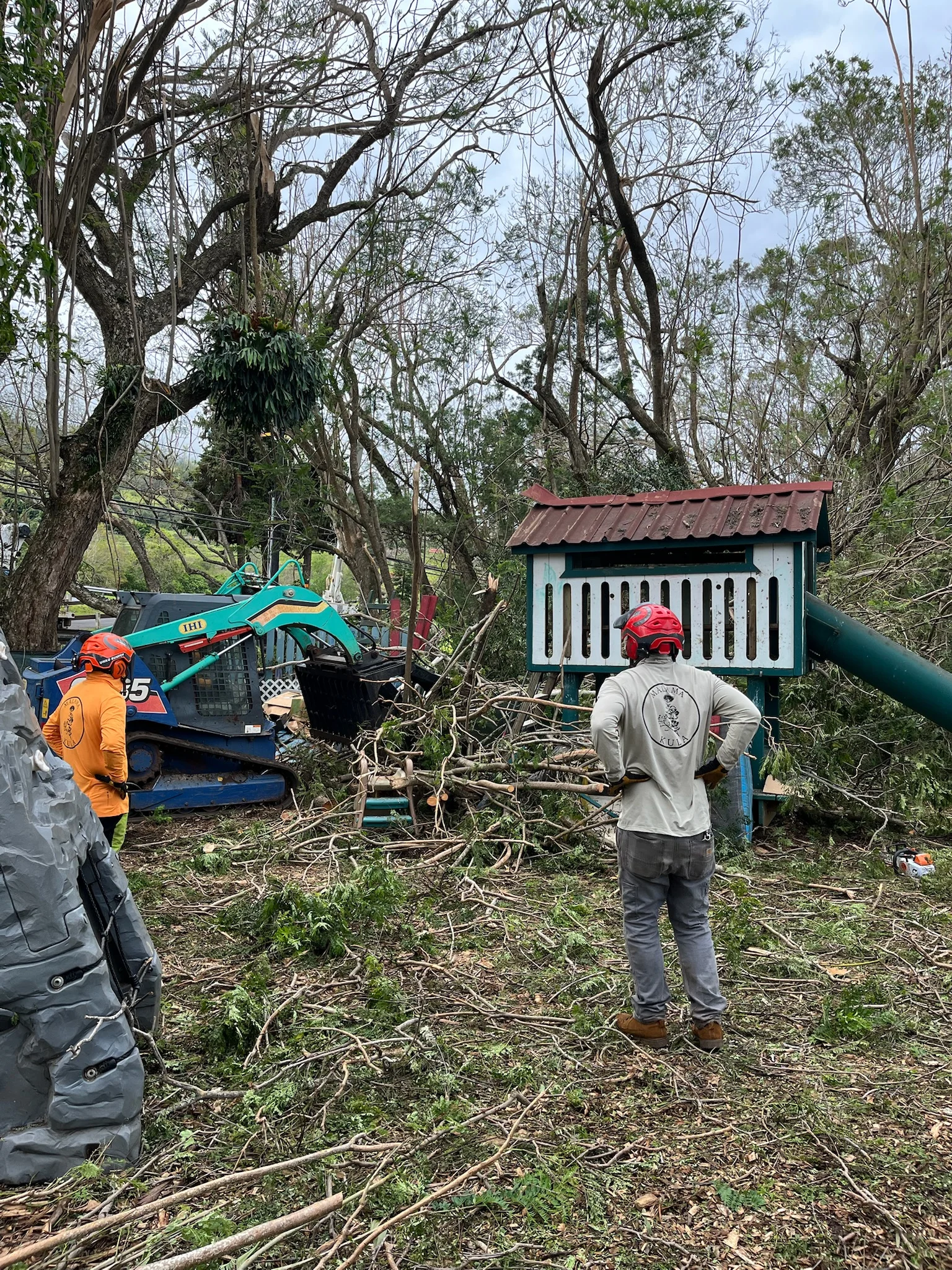
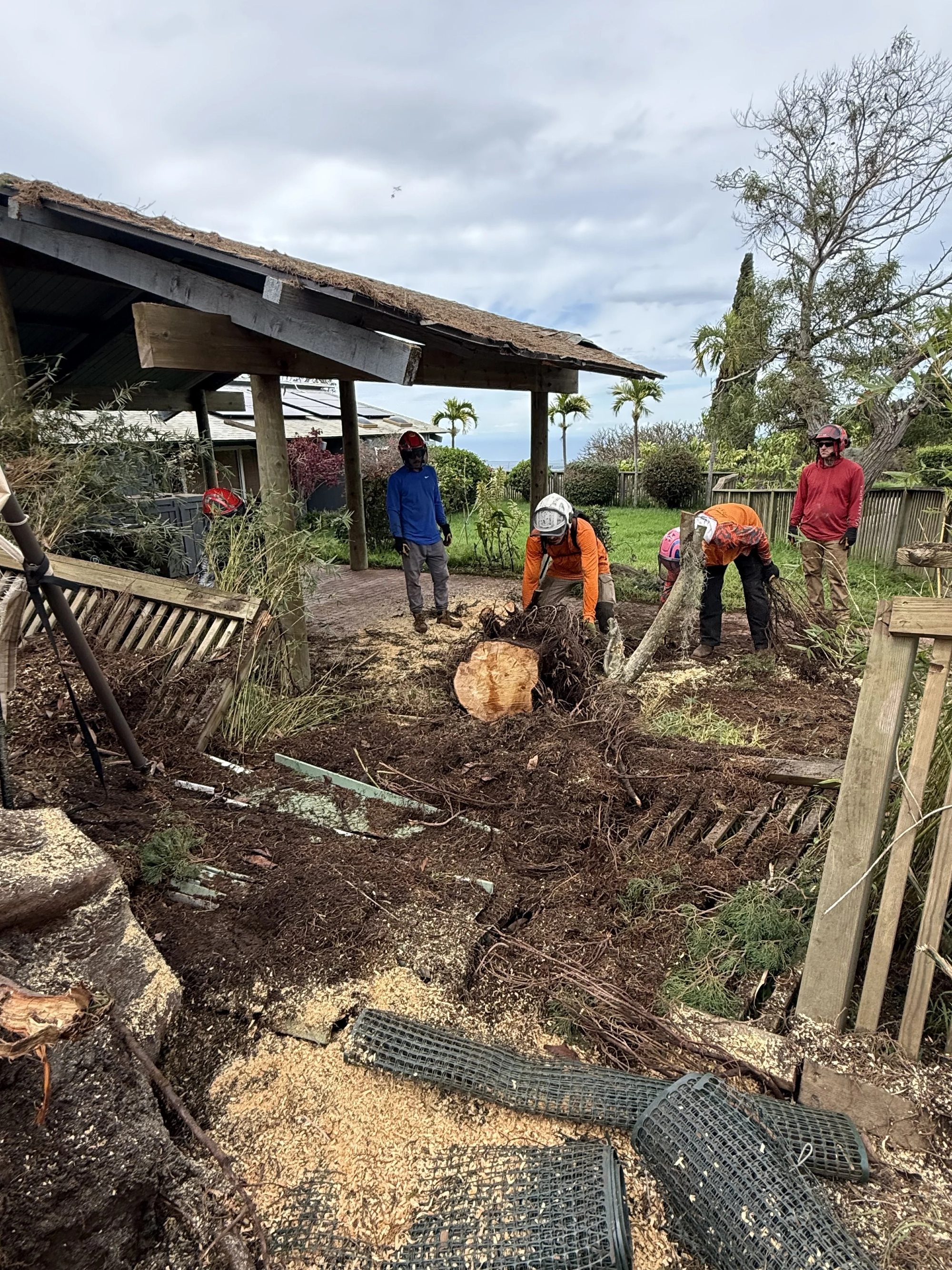
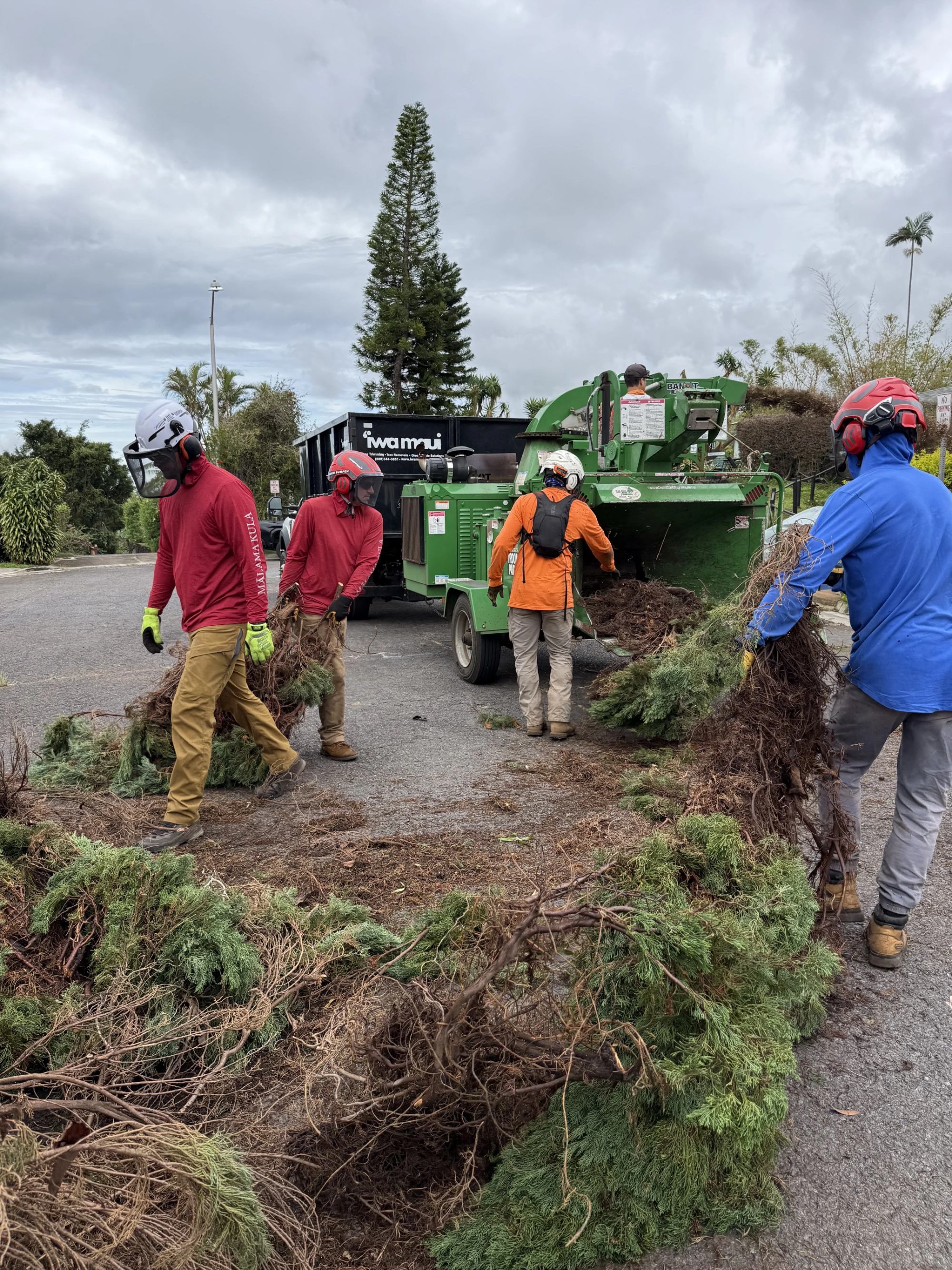
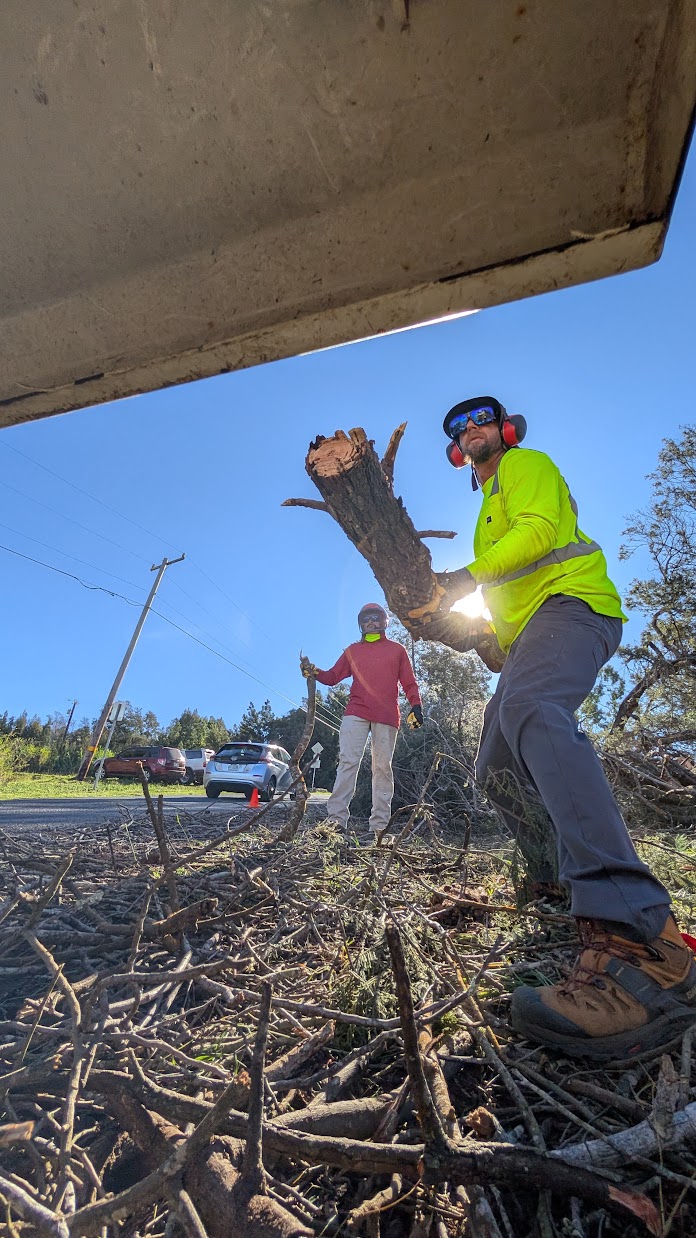
We help Kula residents clear and process fallen trees and branches.
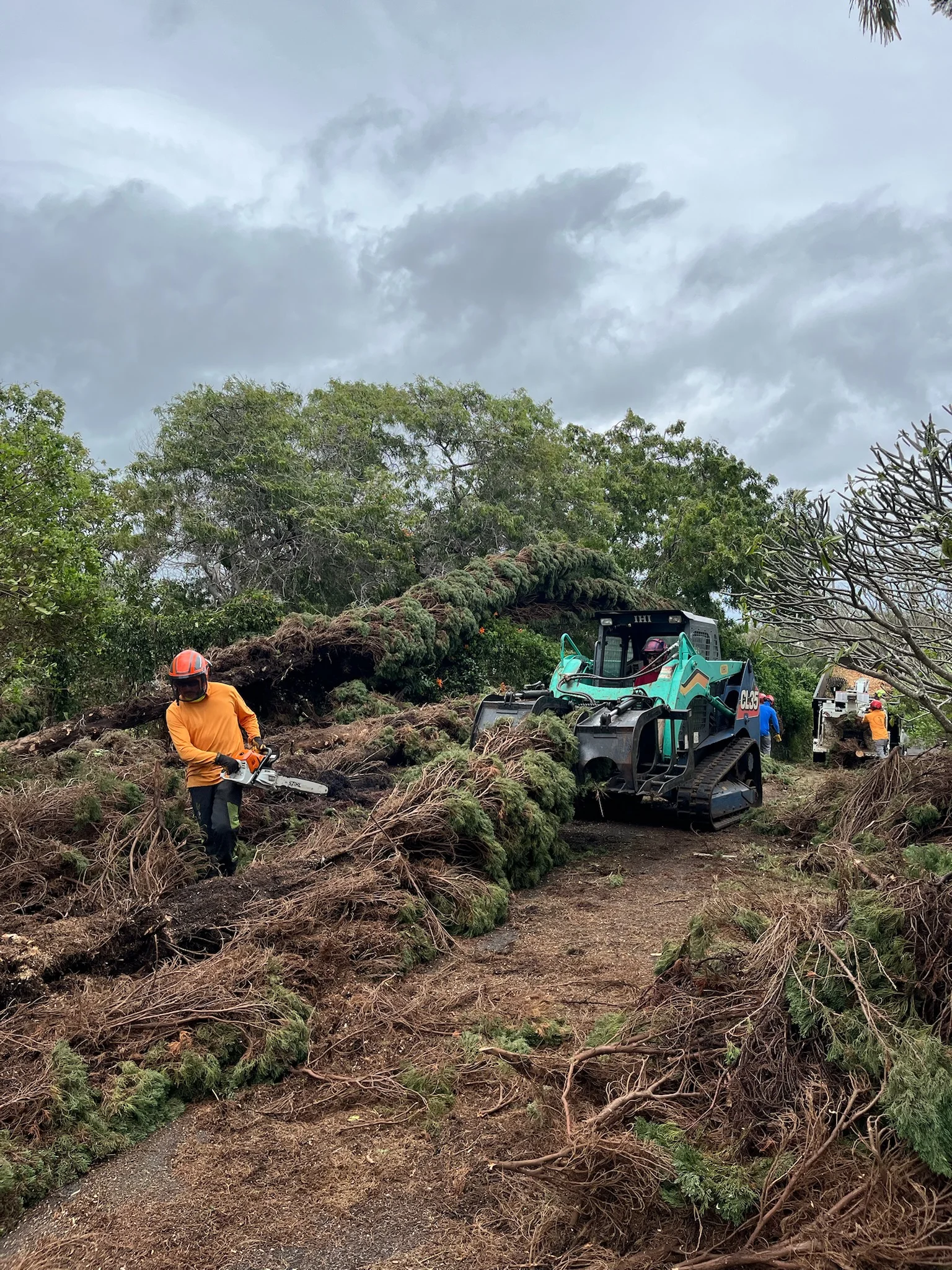
Debris removal and site cleanup restores safe, usable conditions in areas impacted by hazardous material, fire and storm damage, or environmental risk. Crews remove unsafe debris, abandoned materials, and post-incident hazards that threaten community safety or obstruct recovery efforts.
This work supports both immediate cleanup needs and longer-term stabilization of affected sites, helping communities transition from risk toward recovery. Whenever possible, removed material is directed into responsible disposal or processing pathways to minimize secondary environmental impact.
This activity contributes to:
Fire Fuel Reduction Assistance
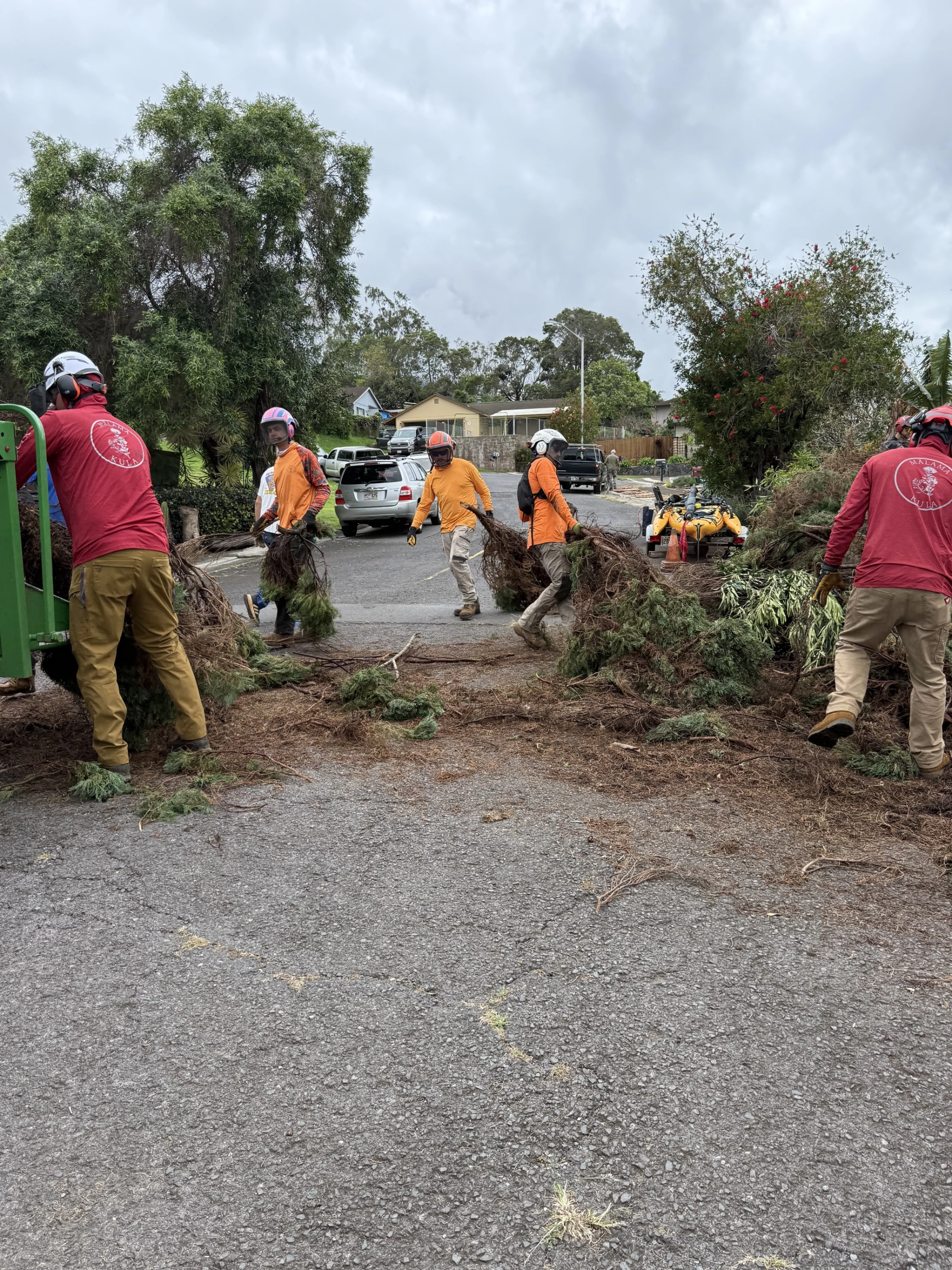
We assist with cutting and processing fire fuels to create defensible space, reducing fire risk to your home.
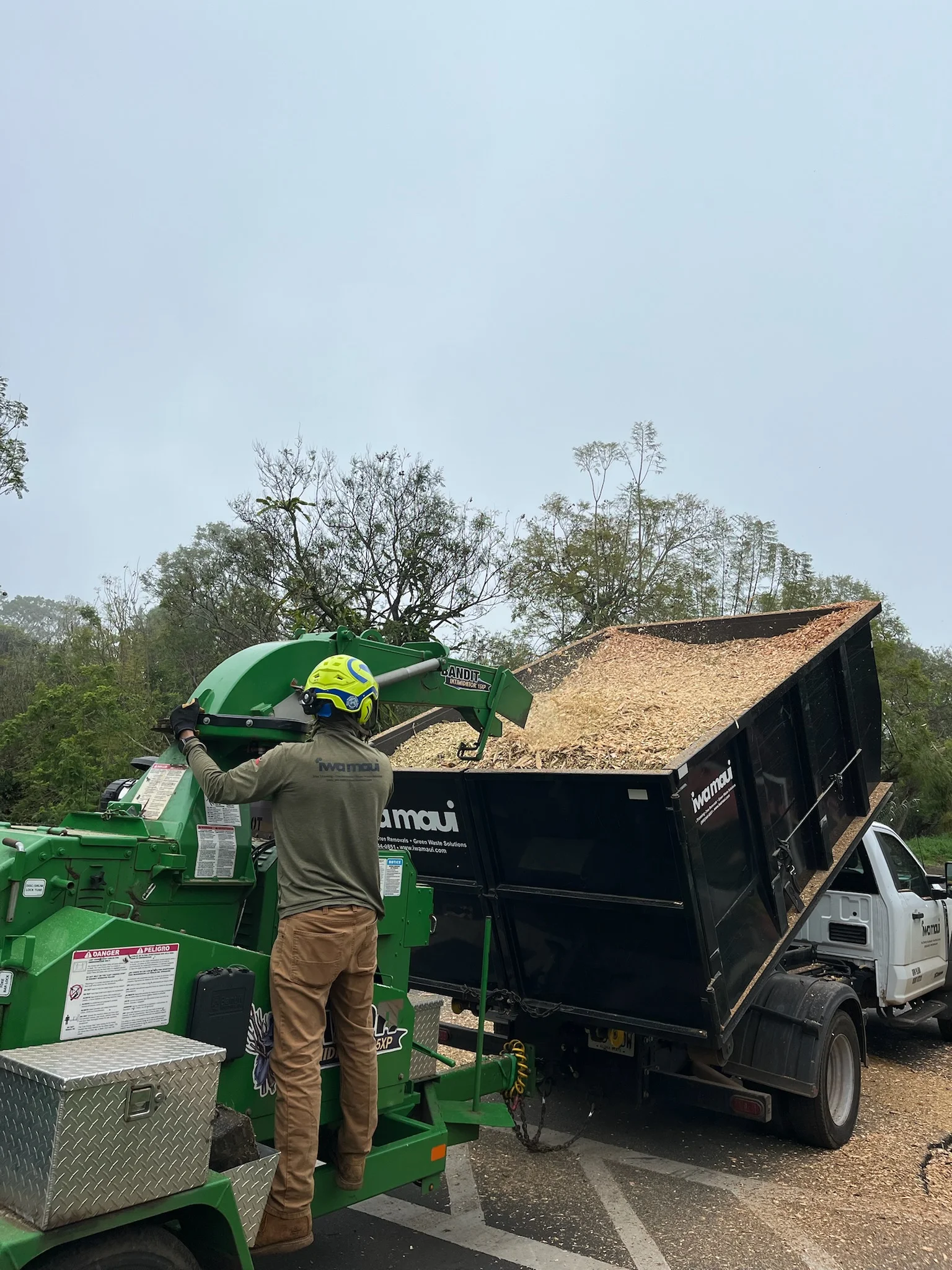
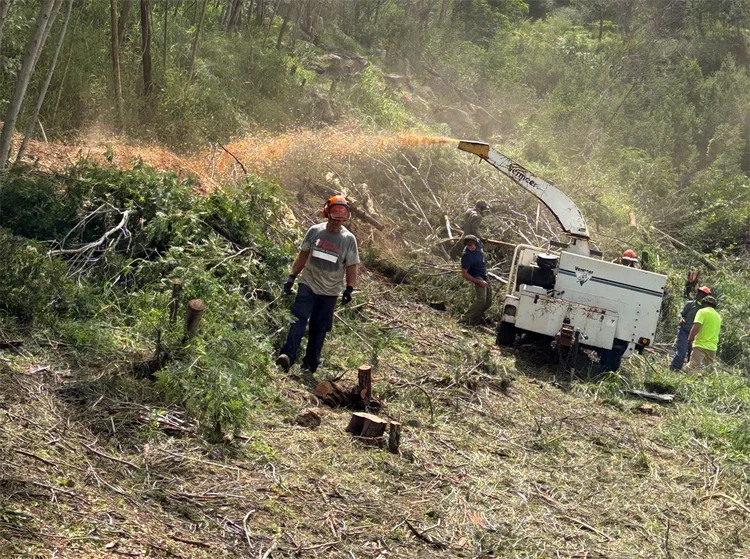
Fuel preparation and processing converts hazardous woody biomass into manageable, reusable resources. Downed trees, excess brush, and fire fuels are cut, staged, and processed to reduce risk while preparing material for safe handling.
This work supports wildfire mitigation efforts and enables the transformation of known hazards into beneficial ground cover and community-use resources. By actively managing biomass fuel loads, the organization reduces risk while turning dangerous material into resources that benefit the community.
This activity contributes to:
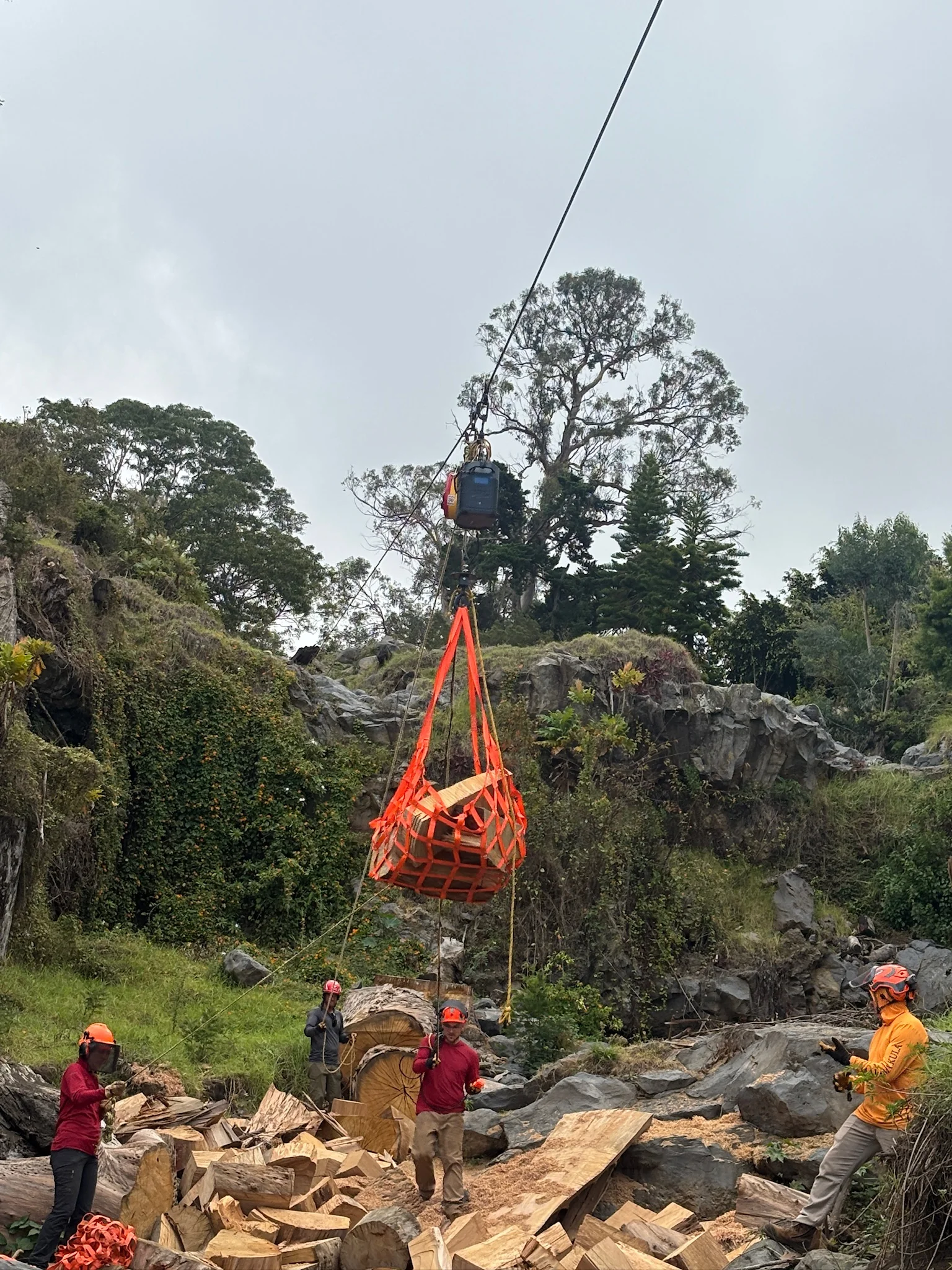
This activity focuses on identifying risks that fall outside the organization’s authority to repair directly and pushing for preventative action before they escalate. The activity documents hazards such as unstable trees, compromised infrastructure, and dangerous environmental conditions, then works with agencies and decision-makers to ensure those risks are addressed. By elevating threats that might otherwise be ignored, the organization helps prevent small problems from turning into community-wide emergencies.
This advocacy role strengthens public accountability while protecting neighborhoods from preventable harm.
This activity contributes to:

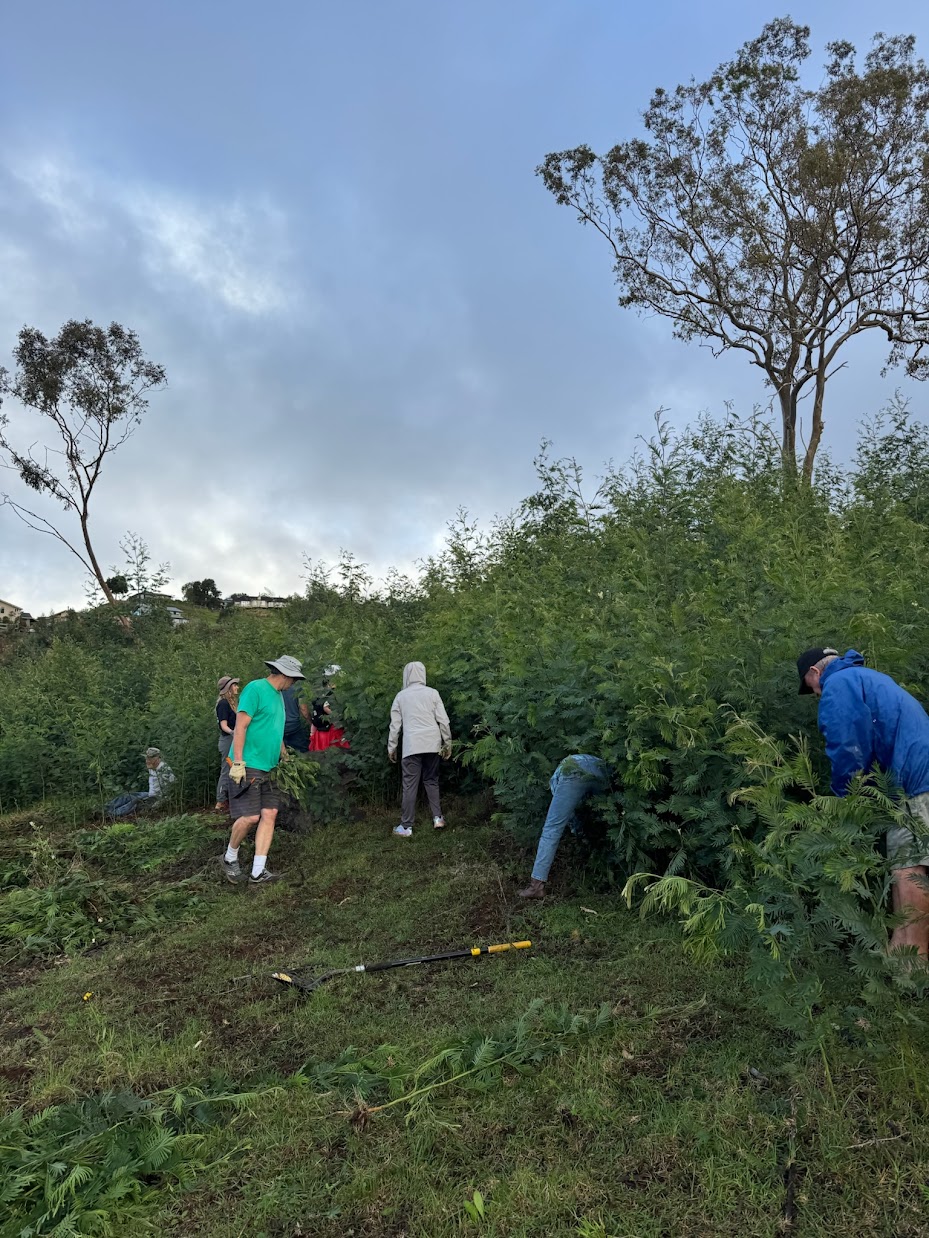
Invasive vegetation removal reduces fire fuel loads while improving the long-term health and safety of the landscape. Field crews remove hazardous or non-native plant growth from residential areas, public land, and priority sites identified in coordination with community partners.
This work helps protect homes and infrastructure while creating safer defensible space and supporting long-term vegetation management goals. Removed material is directed into appropriate processing streams whenever possible, ensuring that hazard reduction contributes to responsible material handling rather than waste accumulation.
This activity contributes to:
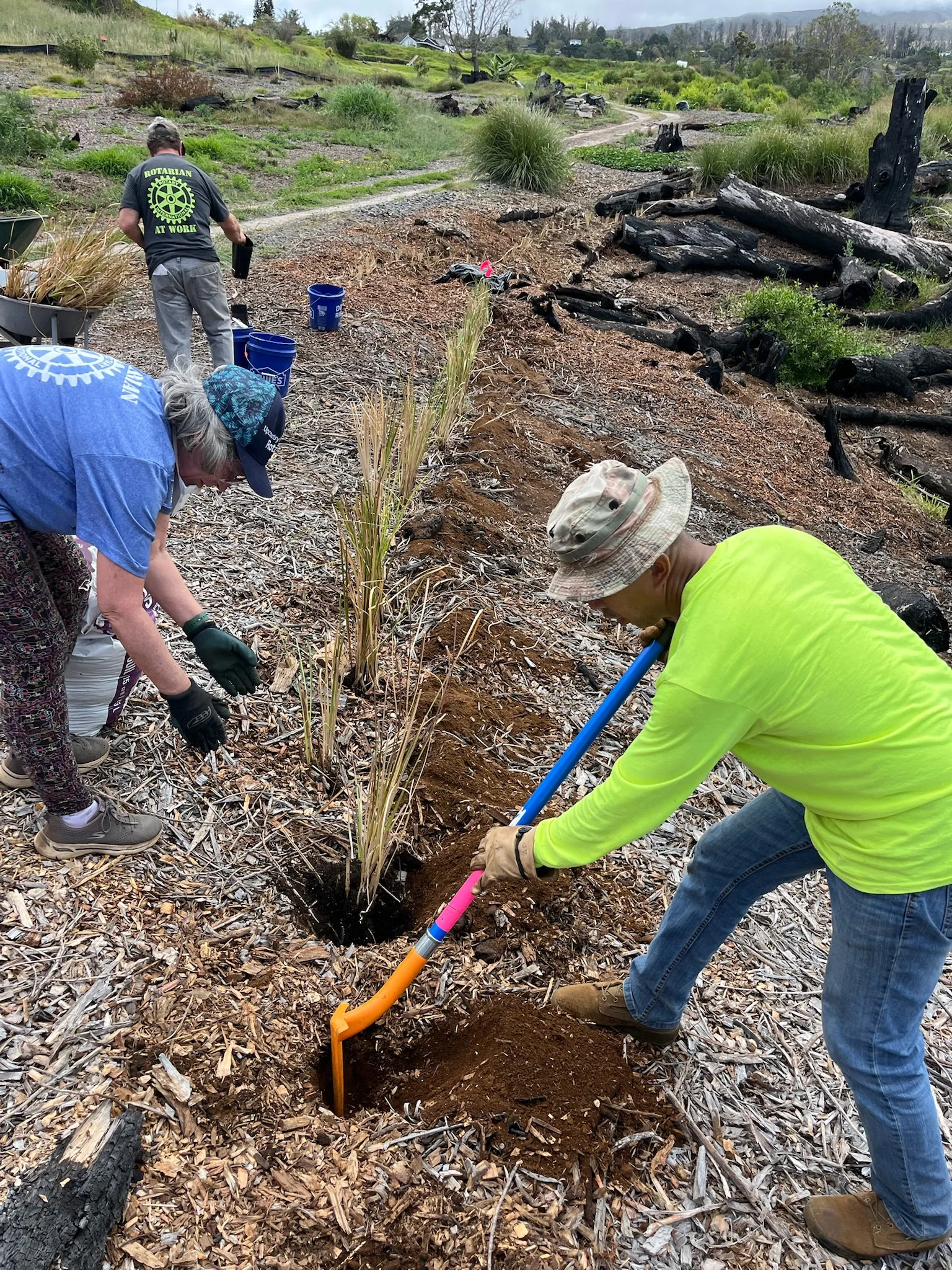
Native and endemic vegetation restoration supports the long-term health of local ecosystems by reestablishing plant communities that are adapted to the region. Restoration efforts prioritize species that improve soil stability, water retention, and habitat resilience while reducing the spread of invasive growth.
This work strengthens watershed health and contributes to a landscape that is more resistant to fire, erosion, and environmental stress. Restoration activities are guided by ecological principles that emphasize sustainability and long-term stewardship.
This activity contributes to:
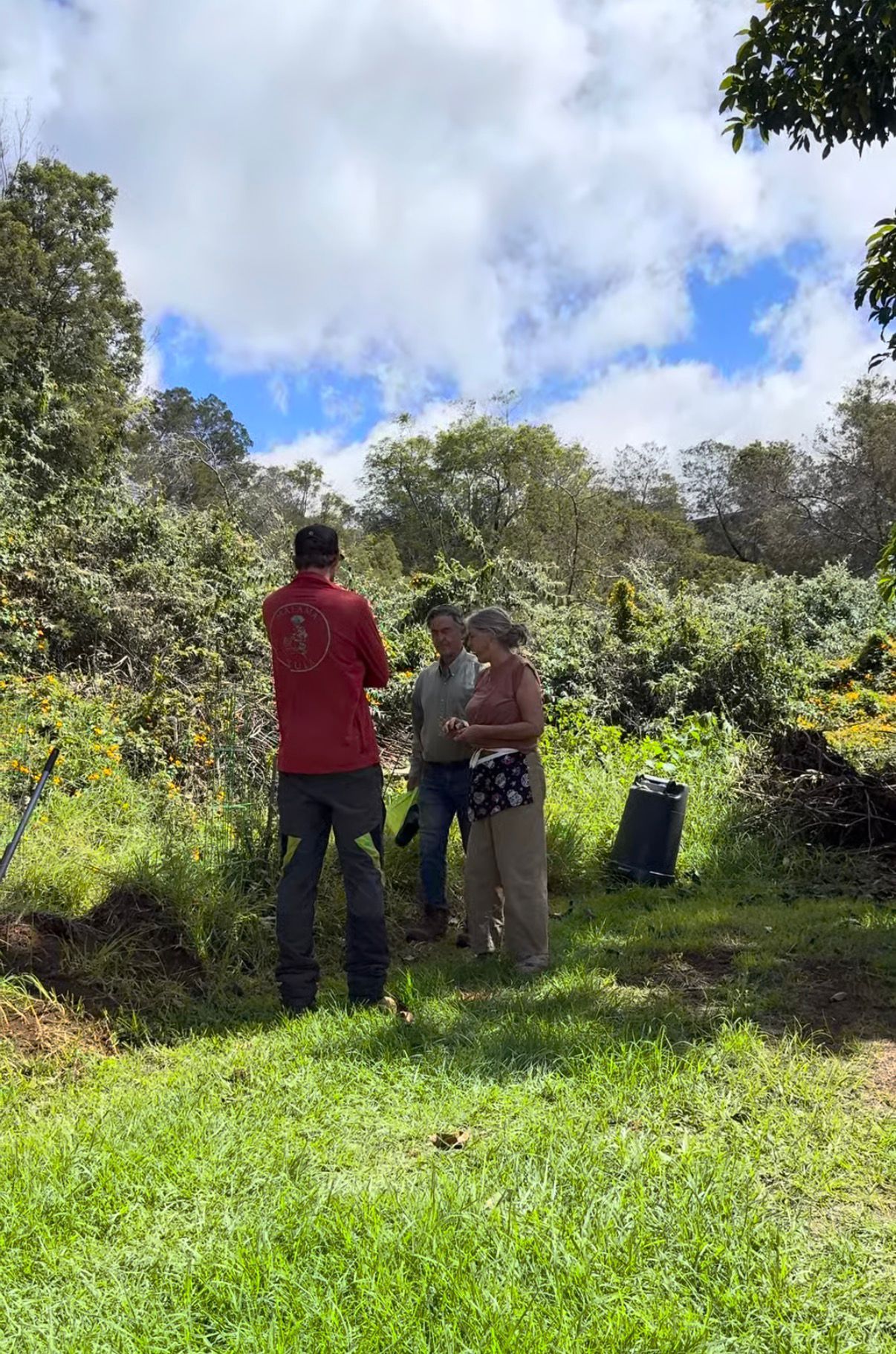
This activity helps residents identify hazards on their land and access practical assistance before those risks escalate. It includes informal site visits, hazard awareness conversations, and coordination with homeowners who want help reducing fuel loads or addressing unsafe conditions. When fire or safety concerns are identified, the organization offers guidance, connects residents to resources, and provides hands-on mitigation support when possible.
This outreach role bridges the gap between awareness and action, making it easier for households to protect their property and their neighbors.
This activity contributes to:
Volunteer With Us
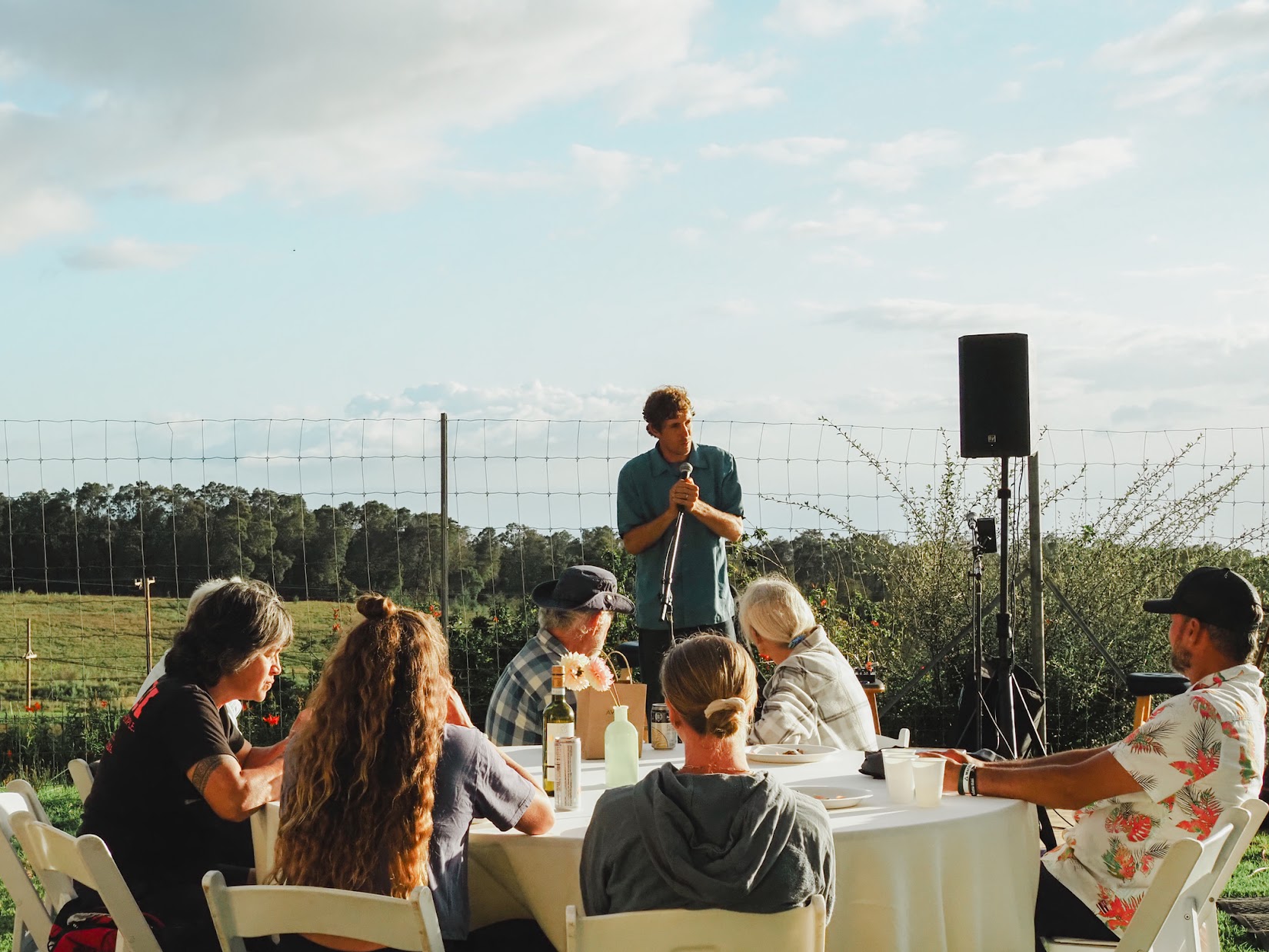
Volunteers are an integral part of Mālama Kula’s history and operations. Join us in making Kula safer and more resilient.
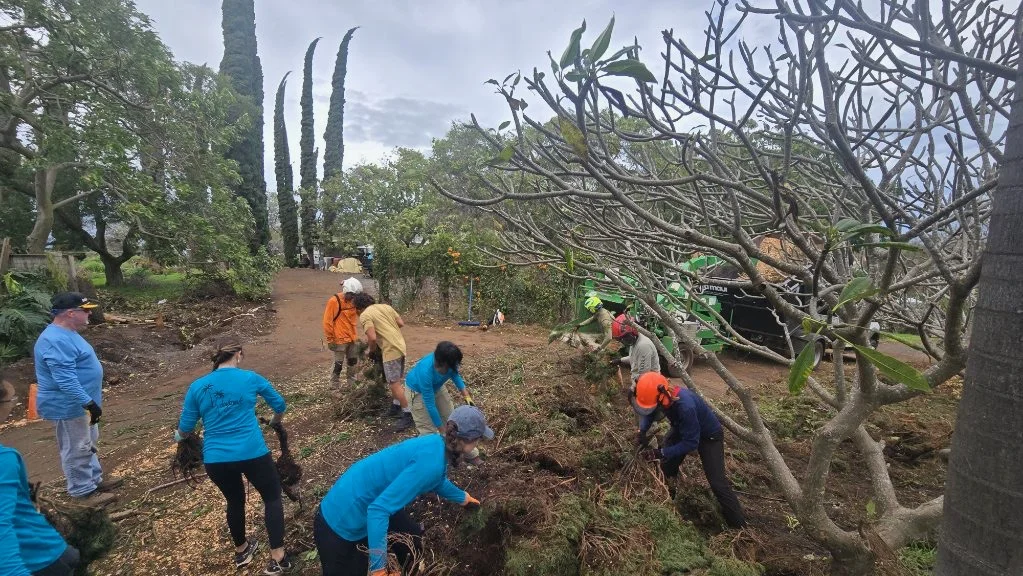
Volunteer field support enables ongoing participation outside scheduled events by integrating volunteers into day-to-day operations. Individuals assist crews with active projects, extending the organization’s capacity to address hazards and restoration needs.
This flexible participation model allows community members to contribute skills, time, and labor in ways that match operational priorities. Volunteer support remains a foundational element of the organization’s field presence and impact.
This activity contributes to:
Community Wood Chips
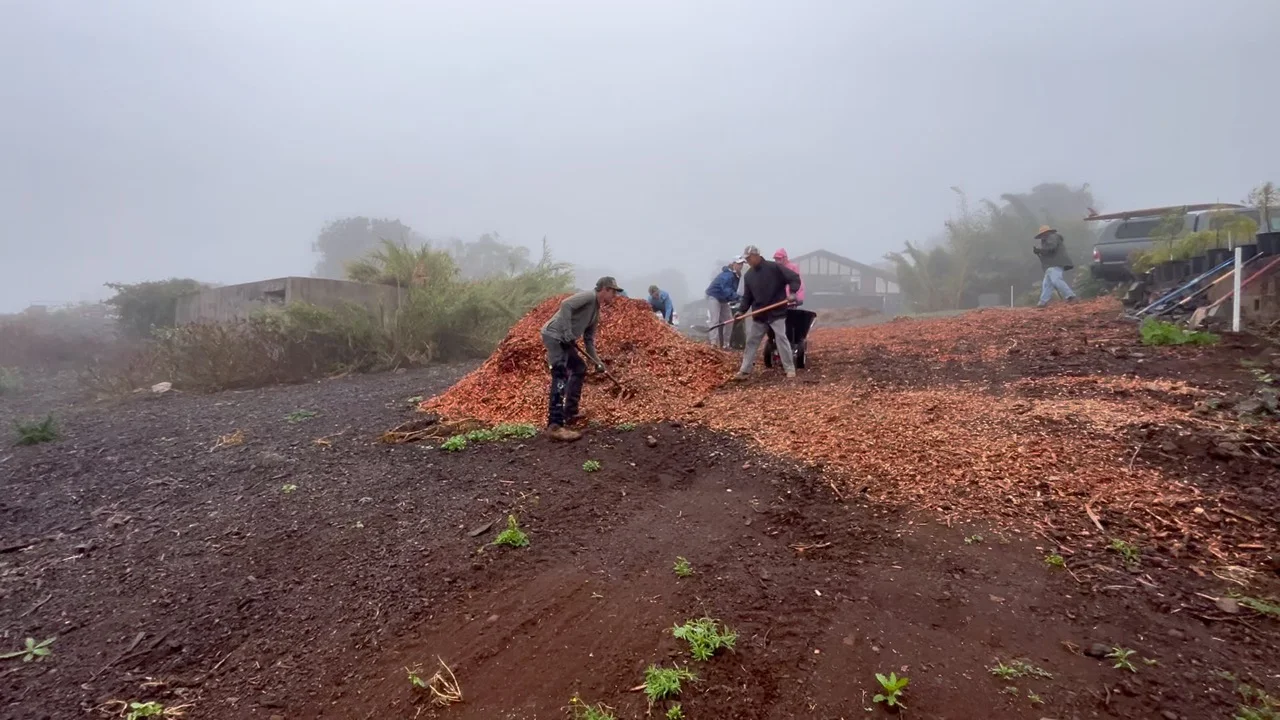
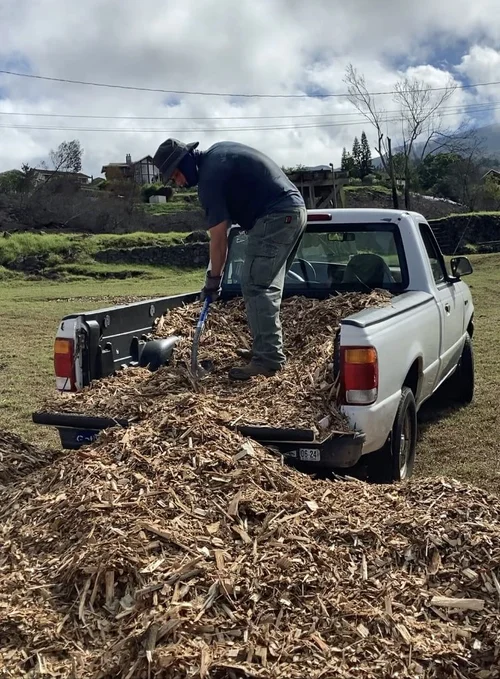
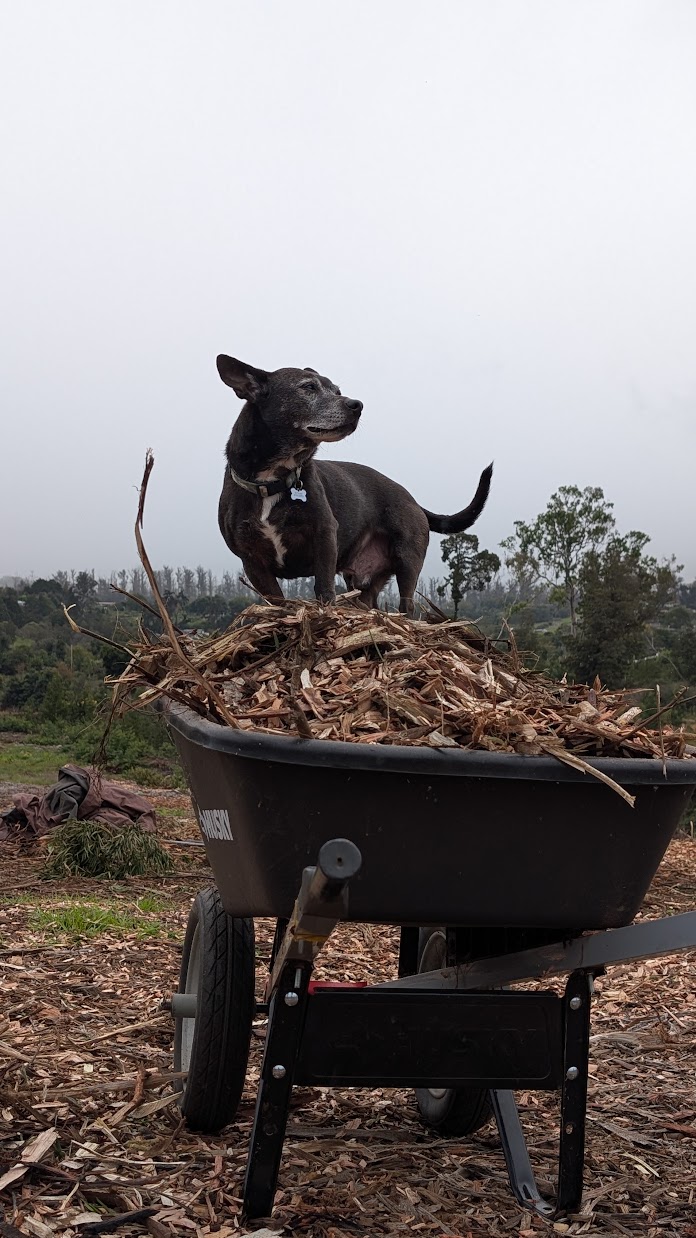
After processing fire fuels, we distribute the wood chips to the community. Sign up to receive a load, or help yourself at one of our self-serve chip piles.
Wood chip distribution and soil stabilization provides processed biomass back to the community as a protective ground layer that improves soil health and reduces erosion. Wood chips generated from fuel mitigation and woody hazard removal are delivered for landscaping, agricultural applications, and exposed soil areas where stabilization is needed.
This practice encourages grass regrowth, limits dust and runoff, and supports sustainable land stewardship. It represents a closed-loop system in which fire fuels are converted into a valuable community resource.
This activity contributes to:
Gallery








You’re welcome here
Whether you have time, resources, or skills to share, there’s a place for you in this work. Help us keep Kula safe, healthy, and resilient.